
HOA Restrictions on Land
HOA Restrictions on Land: What Every Buyer Should Know Before You Purchase
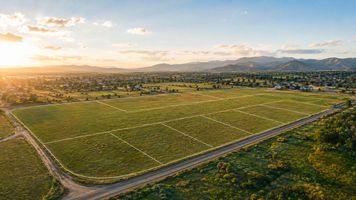
Land Subdividing Opportunities: Turning One Property Into Multiple Investments
Land Subdividing Opportunities: Turning One Property Into Multiple Investments
Buying one large parcel and dividing it into smaller lots can be one of the most effective ways to create value in land investing. Instead of selling one property to a single buyer, a successful subdivision can produce several more affordable parcels—each appealing to a larger pool of buyers.
However, subdivision profit is created during due diligence, not when the lots are advertised. Zoning, access, utilities, surveys and government approval can determine whether a promising property becomes a profitable project or an expensive mistake.
Why Smaller Parcels Can Be More Valuable
Large properties often cost less per acre because fewer buyers can afford them. Smaller lots generally have lower purchase prices, making them accessible to families, builders, recreational buyers and investors.
For example, imagine purchasing 20 acres for $60,000. If local regulations allow it to be divided into four usable five-acre lots, and each finished parcel could sell for $28,000, the potential gross revenue would be:
Four lots × $28,000 = $112,000
Original land cost = $60,000
Potential gross spread before expenses = $52,000
That $52,000 is not guaranteed profit. Surveying, engineering, road construction, legal work, utility extensions, government fees, taxes, financing and marketing must all be deducted.
What Makes Land Suitable for Subdivision?
The best subdivision candidates typically have several favorable characteristics.
1. Flexible zoning
Confirm the permitted minimum lot size, road frontage, setbacks and density. A 20-acre property cannot necessarily become four five-acre lots. Local regulations may require larger parcels or restrict the number of divisions permitted within a certain period.
2. Legal and practical access
Every new lot must have dependable legal access. Road frontage is often the simplest solution. Parcels located behind other lots may require a recorded easement or a new private or public road.
A plan that creates landlocked parcels is generally unmarketable and may not receive government approval.
3. Buildable terrain
Level or gently sloping land is usually easier and less expensive to divide and develop. Steep slopes, drainage channels, wetlands, flood zones and unstable soils can reduce usable acreage.
4. Water and wastewater solutions
Each proposed lot needs a realistic water and wastewater plan. Depending on the location, this may involve:
Municipal water and sewer
Private wells
Individual septic systems
Shared utility arrangements
Engineered alternative wastewater systems
If septic systems are required, each parcel may need acceptable soils and sufficient space for both the primary and replacement drain fields.
5. Strong demand for smaller lots
Subdivision works best when buyers actively want the resulting parcel size. Ten acres may be attractive in one market, while one-acre residential lots or quarter-acre infill lots may sell faster elsewhere.
Study comparable sales by lot size—not simply by total acreage.
A Practical Subdivision Layout
A strong design gives every lot usable access while minimizing the land consumed by roads and easements. It should also account for drainage, utilities, setbacks and irregular terrain.
The conceptual image above is for illustration only. An actual subdivision plan must be prepared or reviewed by qualified local professionals and approved by the applicable government agencies.
The Subdivision Process
Although requirements differ by state and municipality, a typical project follows these steps:
Research zoning and subdivision regulations.
Obtain a preliminary title report.
Confirm legal access and recorded easements.
Review flood, wetland, soil, slope and environmental conditions.
Consult the planning or zoning department.
Hire a licensed surveyor or civil engineer.
Prepare a preliminary subdivision or parcel map.
Complete required soil, drainage and utility studies.
Submit the application and pay review fees.
Address agency comments and required improvements.
Record the approved final map and legal descriptions.
Obtain separate parcel numbers and market the lots.
Never assume that drawing lines on a map legally creates new parcels. The division usually becomes effective only after the required approvals and documents have been recorded.
Three Common Subdivision StrategiesMinor land division
A large tract is separated into a small number of parcels, often with existing road frontage. This can be the least complicated approach, but local minor-division rules still apply.
Rural acreage subdivision
A larger rural property is divided into recreational, agricultural or homesite parcels. Access, wells, septic feasibility, fire requirements and road maintenance agreements deserve special attention.
Residential development
Land is divided into multiple building lots with engineered roads, drainage and utilities. This strategy may generate greater revenue, but it involves higher costs, longer approval periods and more development risk.
Expenses Investors Commonly Underestimate
Before purchasing, obtain realistic estimates for:
Boundary and topographic surveys
Civil engineering
Soil and percolation testing
Environmental assessments
Application and recording fees
Impact or development fees
Roads, culverts and drainage
Utility extensions
Fire-access improvements
Legal documents and title work
Property taxes and financing costs
Sales commissions and marketing
Holding costs during government review
Include a contingency reserve of approximately 15%–25% for unexpected costs and agency requirements.
Red Flags That Can Destroy a Deal
Be cautious when a property has:
No legal or insurable access
Zoning that prevents the intended parcel size
Restrictive covenants prohibiting subdivision
Wetlands or floodplain covering much of the site
Failed soil or septic testing
Expensive utility-extension requirements
Unresolved liens